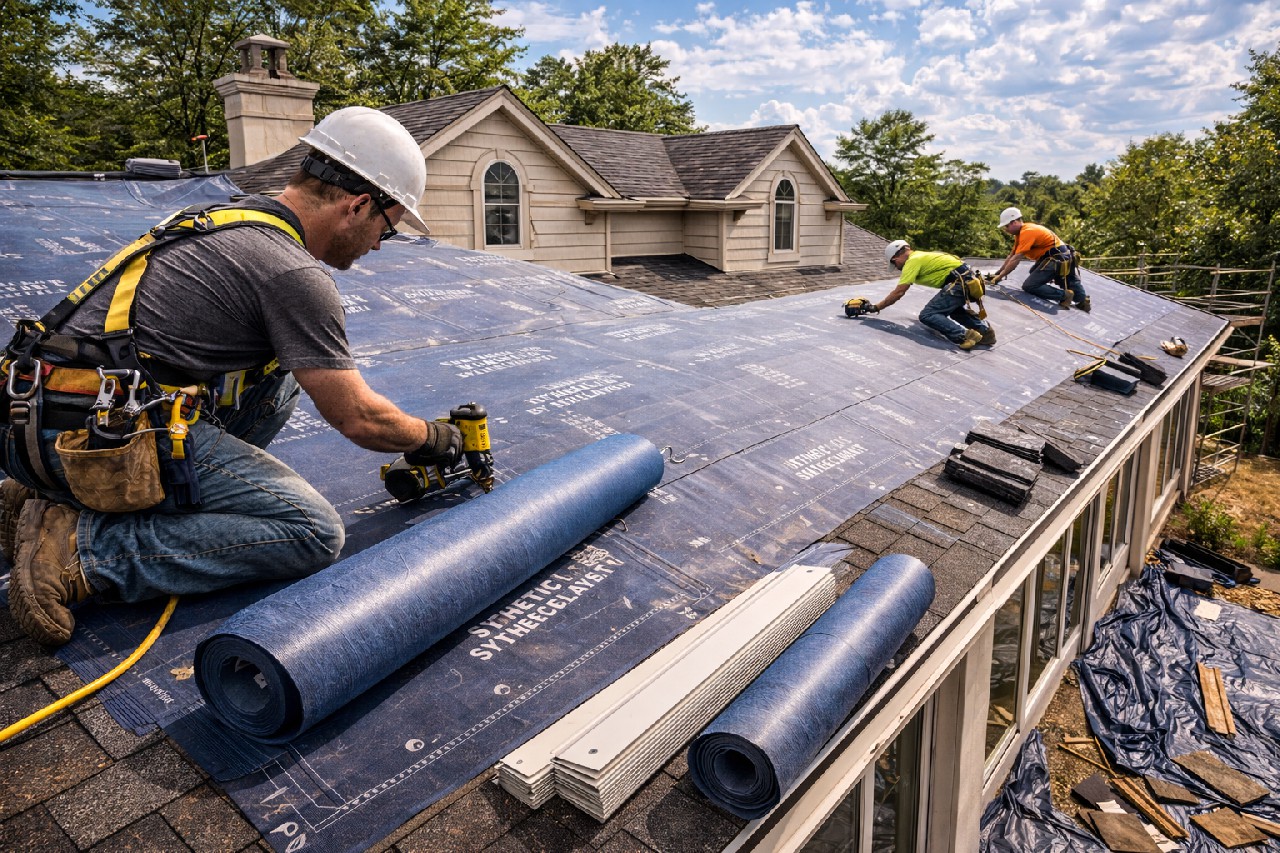


⚡ TL;DR: Learn the 7 common roof replacement mistakes Corpus Christi homeowners make, like skipping inspections and ignoring wind-resistant materials, and how to avoid them for lasting protection.
📋 What You’ll Learn
Discover the 7 roof replacement mistakes Corpus Christi homeowners make and how to avoid them for a durable roof resilient to Gulf winds, salt air, and storms.
- Avoid skipping pre-replacement inspections to detect hidden damage, structural issues, and leaks that could doom your new roof to early failure and extra costs.
- Vet local contractors carefully over out-of-town hires unfamiliar with Corpus Christi's codes, wind zones, and climate for reliable, code-compliant work every time.
- Choose wind-resistant shingles instead of standard ones to battle coastal hurricanes and high winds, dramatically boosting your roof's longevity and storm protection.
- Prioritize corrosion-resistant materials against salty Gulf air that rusts standard options fast, safeguarding your investment from rapid deterioration and frequent repairs.
- Upgrade ventilation during replacement to cut energy bills, prevent moisture buildup, and extend roof life in humid Texas conditions with proper attic airflow.
📖 Reading time: 7 min
✍️ Author expertise: Corpus Christi roofer with 20 years of local replacements and hurricane recovery experience.
You're staring at a $20,000 roof replacement bill in Corpus Christi, convinced you've finally dodged the salty Gulf winds and brutal summer storms. Then the first nor'easter hits, and water's pouring into your living room like a bad joke. That sinking feeling? It's what happens when homeowners skip the right prep.
Here in South Texas, where hurricanes lurk around every corner, one wrong move during roof replacement can turn your home into a sieve faster than you can say "insurance claim." We've seen it all: rushed jobs, cheap materials, and contractors who vanish like ghosts after payday.
Want to bulletproof your investment and keep your family dry? Let's dive into the seven deadly mistakes Corpus Christi homeowners make, so you can sidestep them completely.
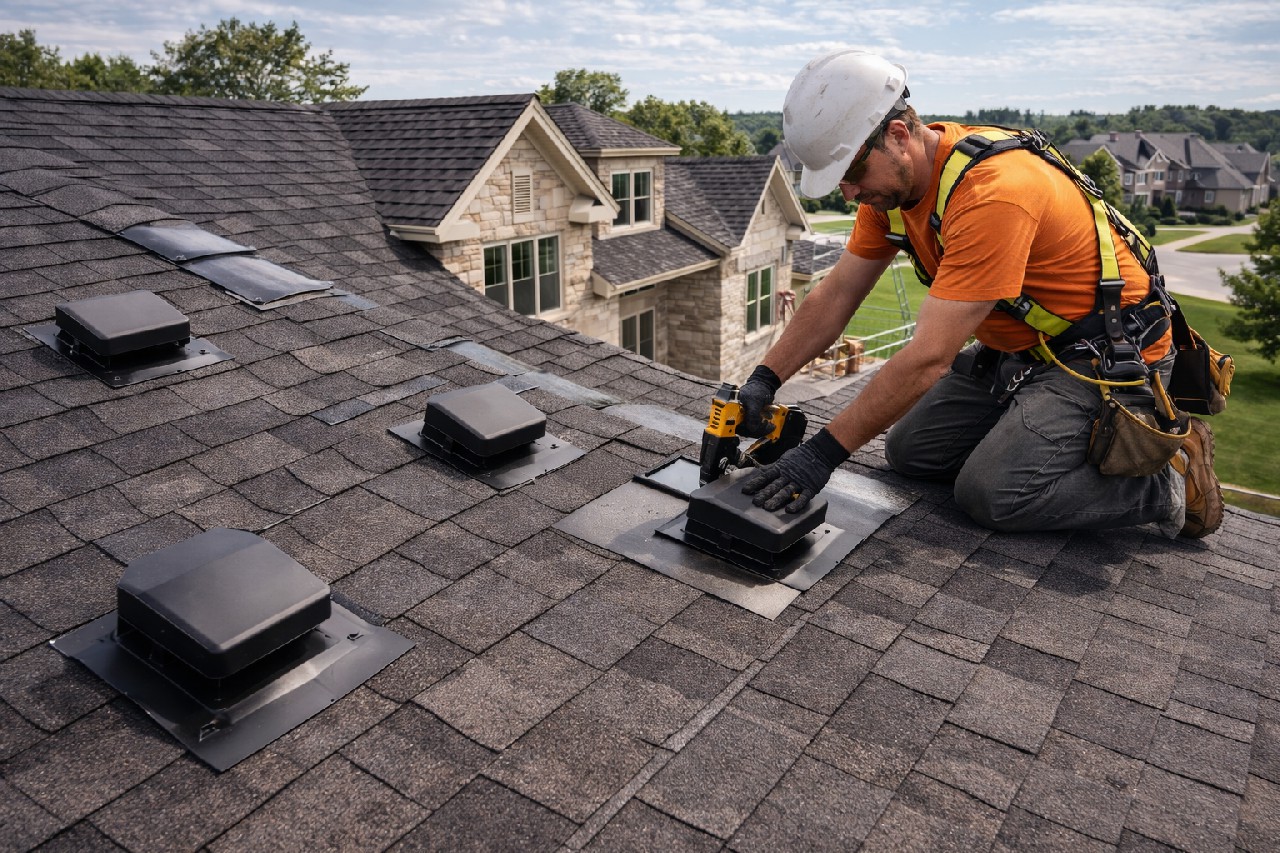
Mistake #1: Skipping a Professional Pre-Replacement Roof Inspection
Picture this: You slap a shiny new roof on top of rotting decking hidden underneath. First big rain from Padre Island storms hits, and your ceiling caves in. We've pulled off "new" roofs in Corpus Christi to find decades-old damage eating away at the structure.
A pro inspection isn't optional here. It uncovers issues like water damage, loose flashing, or weakened trusses before you waste thousands. Skip it, and you're just papering over problems that return twice as bad.
What Your Inspector Should Check
- Attic rot from poor ventilation in our humid Gulf climate.
- Wind-lifted shingles from past hurricanes like Harvey.
- Corroded nails and flashing in salty air.
- Overall decking strength to handle Class H wind zones.
Insist on this step. It could save your home from a $10K repair nightmare down the line. Local pros know Corpus Christi's unique threats cold.
Mistake #2: Hiring Unvetted or Out-of-Town Contractors
Picture this: you grab the lowest bid from some fly-by-night crew advertising on a yard sign. They slap on a roof and bolt, leaving you with leaks two months later. Out-of-town contractors sound cheap, but they ignore Corpus Christi's hurricane codes and salty air challenges.
We've cleaned up after these guys. One local family hired a Houston outfit that skipped wind-rated fasteners. First big blow? Shingles everywhere, insurance denied. Unvetted locals pull the same stunts, vanishing when callbacks hit.
How to Pick a Contractor Who Sticks Around
- Check for Texas Roofing Contractors Association membership and local licenses.
- Demand proof of liability insurance and worker's comp. No proof? Walk away.
- Get three bids from Corpus Christi outfits with 10+ years here. Ask for recent South Texas references.
- Verify BBB ratings and Google reviews mentioning storm performance.
Stick to pros who know our Gulf Coast quirks. Your roof lasts decades that way.
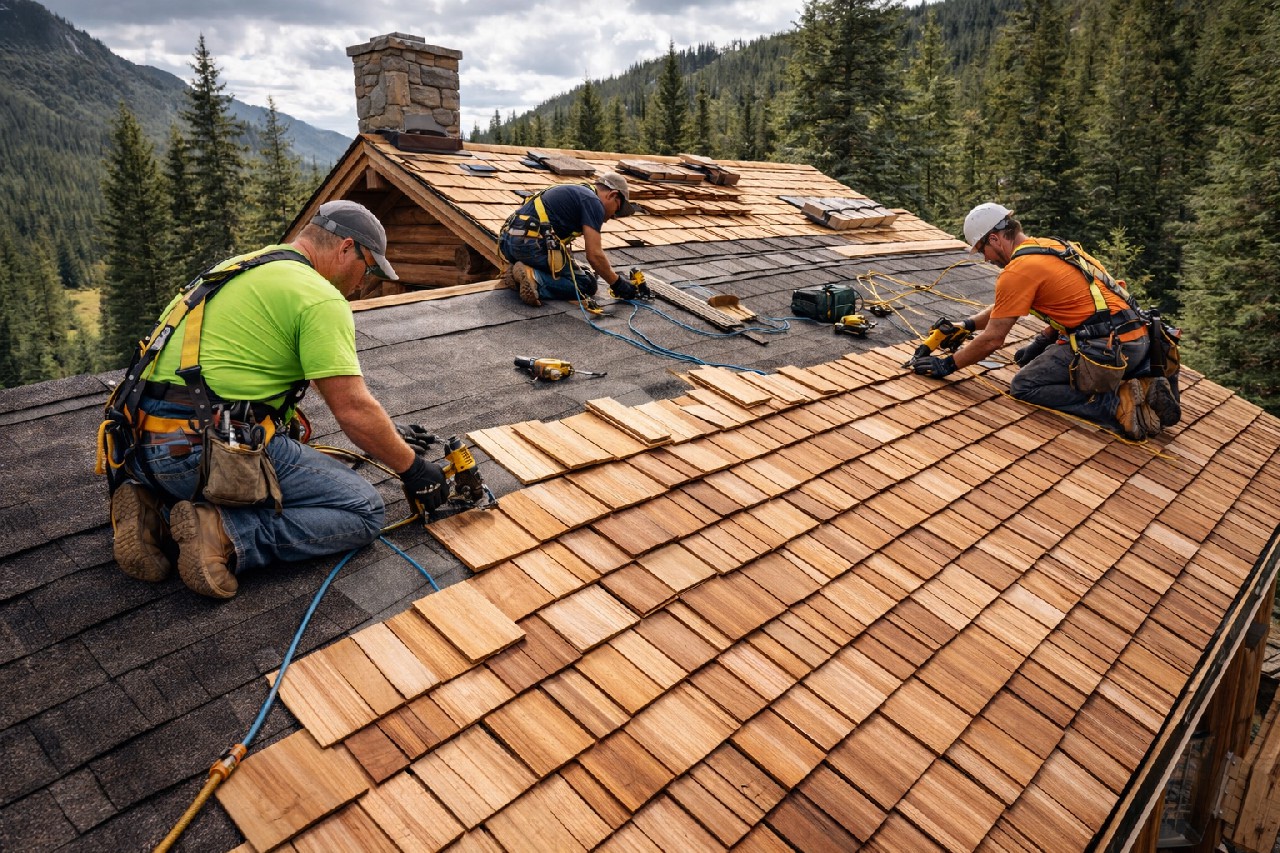
Mistake #3: Choosing Standard Shingles Over Wind-Resistant Options
Picture this: a Category 1 hurricane grazes Corpus Christi, whipping winds at 90 mph. Your new roof with standard 3-tab shingles peels off like wet paper. Happens every storm season because those basic shingles top out at 60-80 mph wind resistance.
Here on the Gulf Coast, we're talking sustained gusts that laugh at weak materials. Homeowners grab the cheap option to save a few bucks upfront, only to face a full tear-off bill months later. Don't fall for it.
Go for These Wind-Resistant Champs Instead
- Class H shingles or architectural ones rated for 130+ mph – they interlock and seal tight against flying debris.
- Look for Miami-Dade or Texas Department of Insurance approvals; they're battle-tested for our brutal weather.
- Expect 20-30% more cost now, but zero headaches when the next tropical depression rolls in.
Insist your contractor shows wind warranties in writing. Skip this, and you're gambling your home's future on a coin flip.
Mistake #4: Ignoring Corrosion-Resistant Materials for Salty Gulf Air
That relentless salty breeze off the Gulf? It eats regular roofing materials alive. Homeowners grab the cheapest asphalt shingles, thinking they'll hold up. They won't. Not here in Corpus Christi.
Picture this: your new roof turns rusty and pitted in just a couple years. Salt crystals embed in the granules, cracking them open. Leaks follow. Then you're back to square one, shelling out thousands sooner than planned.
Go for These Tough Options Instead
- Galvanized or aluminum-coated metal roofs: They shrug off corrosion like it's nothing.
- Architectural shingles with algae and corrosion inhibitors: Built for coastal beatings.
- Copper or zinc accents on vents and flashing: Last a lifetime in salty air.
Insist your contractor specs these out. Skip this, and your roof's lifespan halves. We've fixed too many "bargain" roofs turned trash by Gulf air.
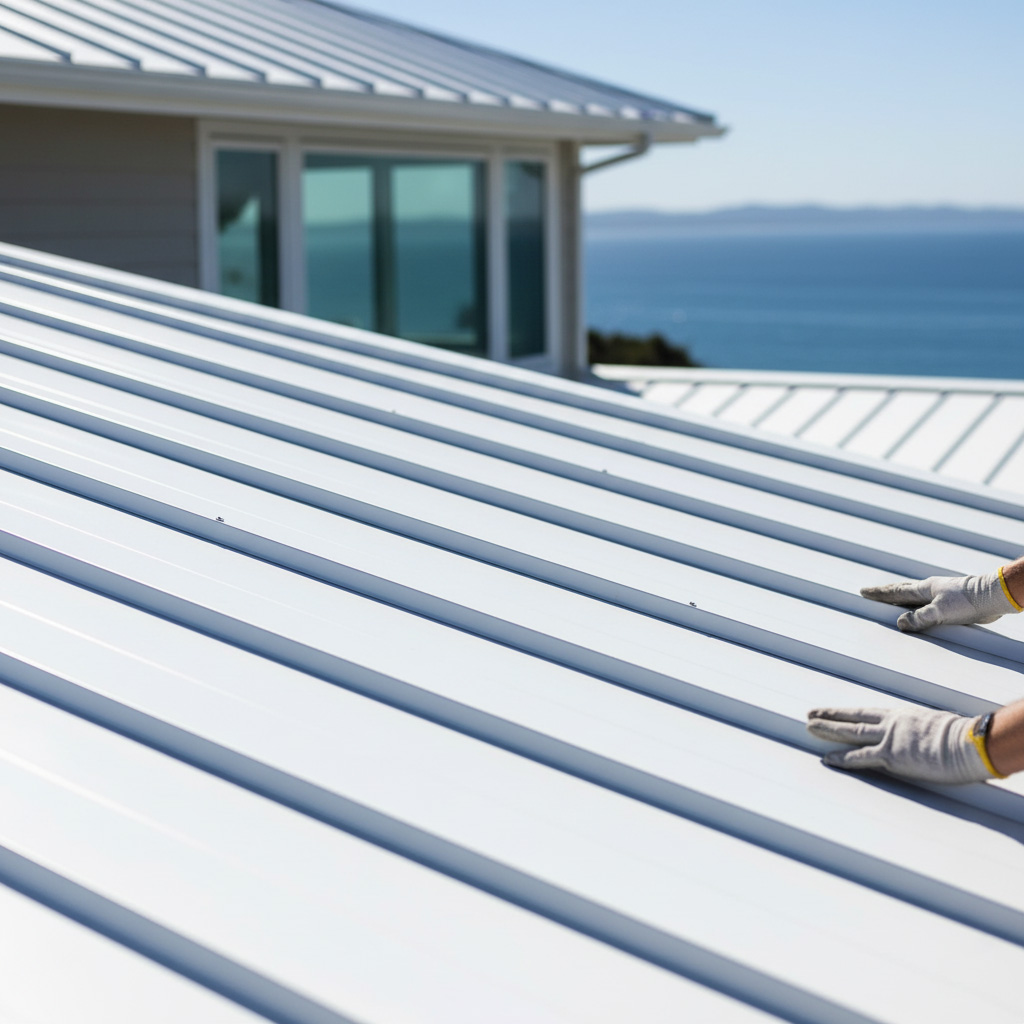
Mistake #5: Neglecting Proper Ventilation and Insulation Upgrades
Picture this: You slap a new roof on top of your old, stuffy attic setup. Come July in Corpus Christi, that triple-digit heat turns your home into a pressure cooker.
Trapped hot air and humidity breed disaster. Your shingles warp faster. Energy bills skyrocket as your AC fights a losing battle.
Why Skip Ventilation? Big Regret.
Poor airflow lets moisture build up. Mold creeps in. Wood rots from the inside out.
In Gulf Coast humidity, this kills roofs twice as fast. We've ripped off "new" roofs after just five years because of it.
- Shingles blister and crack under heat stress.
- Attic temps hit 150°F, frying insulation.
- Leaks form where ice dams should not exist. Wait, no ice here. But condensation? Plenty.
Fix it right: Demand ridge vents, soffit vents, and baffles during replacement. Pair with radiant barrier insulation. Your roof lasts longer. Bills drop 20-30%. Family stays cool.
Case Study: Rescuing a Corpus Christi Home from Multiple Replacement Errors
Meet Mike, a Padre Island homeowner who replaced his roof two years back. He skipped the pro inspection, grabbed the cheapest out-of-town crew, and stuck with basic shingles. Disaster struck during Tropical Storm Barry.
Water poured through gaps. Shingles flew off like confetti. Turns out, no wind-resistant materials and zero corrosion protection against Gulf salt air turned his new roof into Swiss cheese fast.
What We Found (And Fixed)
- No ventilation upgrades: Attic heat trapped moisture, rotting the decking underneath.
- Wrong insulation: Standard stuff couldn't handle the humidity spikes.
- Contractor shortcuts: Nails too short, valleys poorly flashed.
We tore it all off. Installed impact-rated shingles, copper gutters for salt resistance, and a full ridge vent system. Mike's insurance covered most after our detailed report proved the original botch job.
Today? His roof laughs at 100 mph winds. Family stays dry. Lesson here: Call pros before the storm hits.
Final Thoughts
Look, Corpus Christi roofs take a beating from salt air, high winds, and endless humidity. One slip-up, and you're back to square one with leaks and claims. But arm yourself with these fixes, and your home stays solid for decades.
Skip the headaches. Hire locals who know South Texas storms inside out. Demand wind-rated shingles, corrosion-proof underlayment, and full inspections every time.
- Get a free inspection quote today - no strings.
- Check our roof replacement process before you sign anywhere.
- Ask for references from neighborhood jobs, not just sales talk.
Don't let these mistakes drain your wallet. Act now. Your dry, worry-free roof is just one call away.
People Also Ask
What are the most common roof replacement mistakes in Corpus Christi?
Homeowners often skip professional inspections, hire unvetted contractors, and choose standard shingles unsuitable for coastal winds. Ignoring corrosion-resistant materials exposes roofs to salty Gulf air damage. Neglecting ventilation upgrades leads to premature failures and higher energy bills.
Why is a professional roof inspection crucial before replacement in Corpus Christi?
A pre-replacement inspection uncovers hidden issues like structural damage or leaks that could worsen post-installation. In Corpus Christi's humid climate, it identifies corrosion early, preventing costly surprises. Professionals ensure compliance with local wind codes for long-term durability.
Should I choose wind-resistant shingles for my Corpus Christi roof?
Yes, standard shingles fail quickly in Corpus Christi's frequent hurricanes and high winds up to 130 mph. Wind-resistant options with impact ratings meet local building codes and extend roof life significantly. They reduce insurance premiums and repair needs after storms.
How does salty Gulf air impact roof replacements near Corpus Christi?
Salty air accelerates corrosion on metal components and standard shingles, leading to leaks and early deterioration. Choosing galvanized or aluminum materials resists rust in coastal environments. This mistake shortens roof lifespan from 20-30 years to under 10 without proper protection.
What happens if I neglect ventilation during a Corpus Christi roof replacement?
Poor ventilation traps heat and moisture, causing attic mold, shingle curling, and energy inefficiency in humid Gulf weather. Upgrading insulation alongside proper vents prevents ice dams and extends roof longevity. It also lowers AC costs during hot Texas summers.

Corpus Christi Roofing provides specialized roofing services for homes and businesses throughout Corpus Christi, TX. With years of experience navigating coastal weather challenges, the team delivers installations, repairs, and maintenance tailored to local needs. Committed to the community, they focus on reliable craftsmanship and customer satisfaction.
Need Roofing?
Fast roof repairs and replacements for lasting home protection in Corpus Christi, TX and nearby areas (78401, 78408, 78412, 78418).
Get Roof Quote