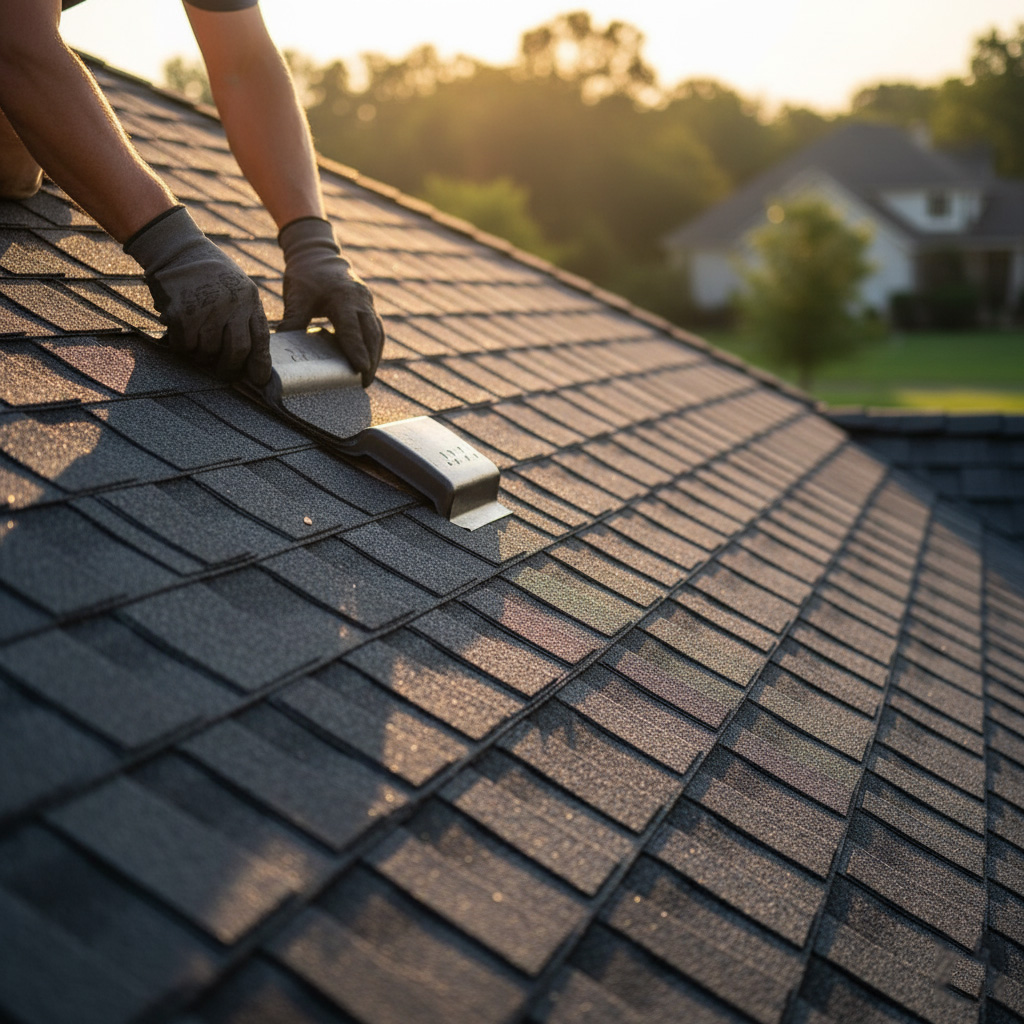


⚡ TL;DR: Learn how tile roof installation in Corpus Christi withstands coastal storms through smart tile selection, thorough preparation, detailed steps, cost insights, and a real hurricane case study.
📋 What You’ll Learn
In this guide to tile roof installation in Corpus Christi, you’ll uncover why they dominate coastal storms, optimal tile choices, prep essentials, precise steps, costs, and proven survival stories.
- Grasp why tile roofs conquer Corpus Christi hurricanes with superior wind resistance, impact durability, fireproofing, and longevity that outlasts frequent tropical assaults on local homes.
- Master selecting storm-ready tiles from clay, concrete, or synthetic options, weighing weight, aesthetics, cost, and proven performance against high winds and heavy rain in Texas coastal fury.
- Learn critical prep for your home including structural inspections, underlayment upgrades, and reinforcements to ensure your roof withstands Category 4 storms like past regional devastations.
- Follow expert installation in Texas heat through detailed steps on layout, fastening, flashing, and finishing for a seamless, code-compliant shield tailored to Corpus Christi’s demanding climate.
- Decode costs and see real results with breakdowns for materials, labor, and ROI, plus a Harvey survivor case proving tile roofs’ value in safeguarding Southside properties long-term.
📖 Reading time: 7 min
✍️ Author expertise: Corpus Christi roofer with 20 years installing tile roofs in hurricane zones from real field experience.
Hurricane winds ripping through Corpus Christi at 100 mph, rain lashing like buckshot, and your roof? It laughs it off.
That's the raw power of a properly installed tile roof—built to shrug off the brutal Gulf Coast storms that flatten lesser coverings.
Local homeowners swear by them after surviving back-to-back tropical punches, and if you're eyeing a new roof that doubles as a fortress, here's the straight scoop on getting it done right in Corpus Christi.
Keep reading to uncover the steps, costs, and secrets that turn tile into your ultimate storm shield.
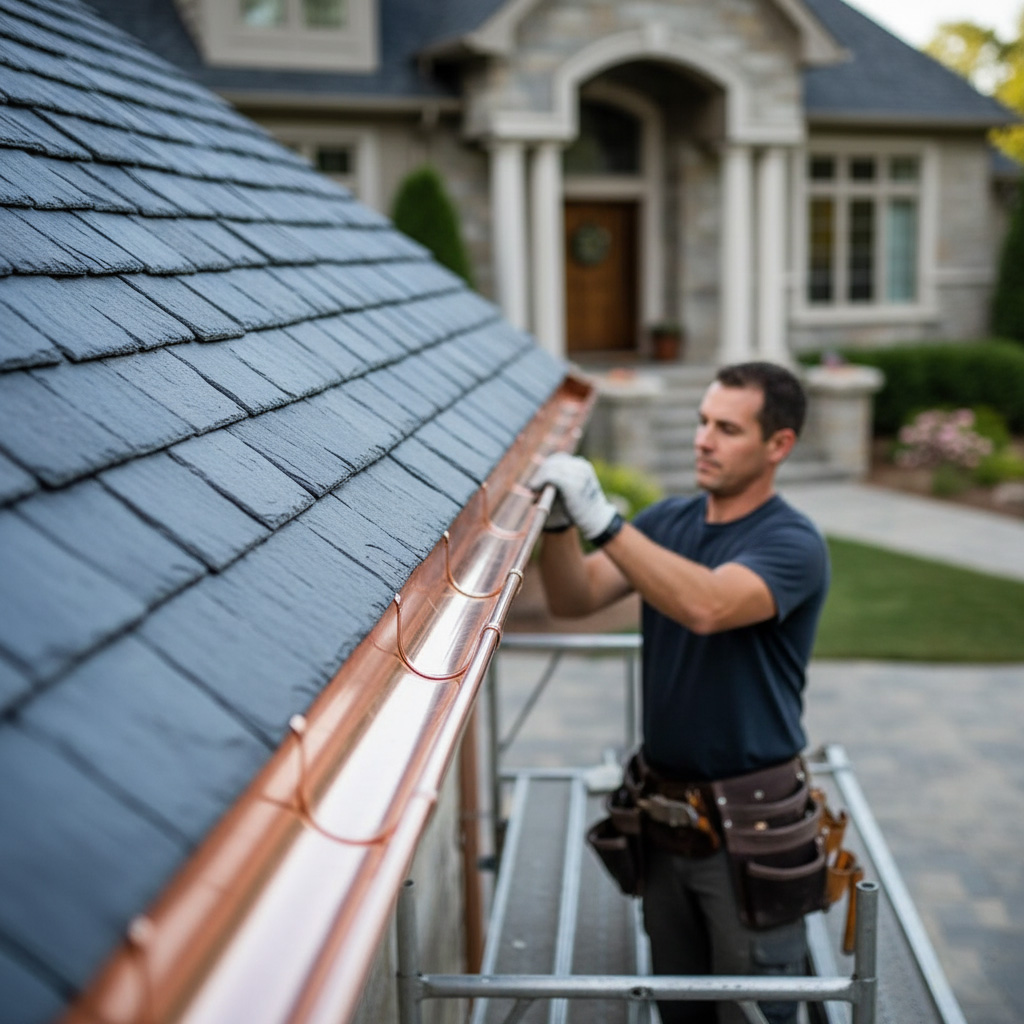
Why Tile Roofs Excel in Corpus Christi's Coastal Fury
Corpus Christi faces the Gulf's worst: howling 140 mph winds, pounding hail, and salty air that eats metal roofs alive. Tile roofs stand tall through it all. They interlock tight, shrugging off gusts that rip shingles to shreds.
Wind resistance hits Class H for hurricanes. Debris flies like bullets? Tiles take the hit without cracking. And that coastal corrosion? Forget it, tiles laugh at salt spray.
Key Wins Over Asphalt or Metal
- 50-100 year lifespan beats 20-year roofs hands down.
- Cooler interiors in Texas scorchers, slashing AC bills by 30%.
- Fireproof rating Class A, a must near dry brush fires.
Locals know: after Ike and Harvey, tile homes stood while neighbors rebuilt. It's not hype. It's proven grit for our bayfront battles.
Choosing the Right Tile: Clay, Concrete, or Synthetic for Storm Resistance
Corpus Christi's salty air and howling winds chew up weak roofs fast. Pick the wrong tile, and you're back to square one after the next squall. Storm-rated tiles from clay, concrete, or synthetic each bring muscle to the fight—let's break them down so you choose smart.
Clay Tiles: Timeless Grit Meets Gulf Coast Toughness
Clay tiles have guarded Texas homes for generations. Fired from natural earth, they shrug off 140 mph winds if properly installed with hurricane clips.
- Pros: Fireproof, cools your attic in brutal summer heat, looks killer on coastal craftsman homes.
- Cons: Heavier—needs beefed-up rafters; cracks easier from hail without armor plating.
Perfect if you want that old-world vibe that screams Corpus Christi durability.
Concrete Tiles: Budget Beast with Brawn
Concrete tiles mimic clay's profile but hit lighter on the wallet and scale. They're molded tough, often rated for Class H winds that laugh at Harvey-level blasts.
- Pros: Cheaper upfront, impact-resistant against flying debris, wide color options to match your bayside bungalow.
- Cons: Absorbs more heat, so pair with radiant barriers for those 100-degree scorchers.
Synthetic Tiles: High-Tech Hurricane Heroes
Synthetic blends—like polymer-concrete mixes—tip the scales for modern storm slayers. Ultralight yet unbreakable, they flex without shattering in gale-force fury.
- Pros: Weighs half of clay (easy retrofit), 180 mph wind rating, won't fade under relentless UV pounding.
- Cons: Newer tech means higher initial cost; check warranties for salt corrosion here on the coast.
Go synthetic if retrofitting an older South Texas roof without a full overhaul.
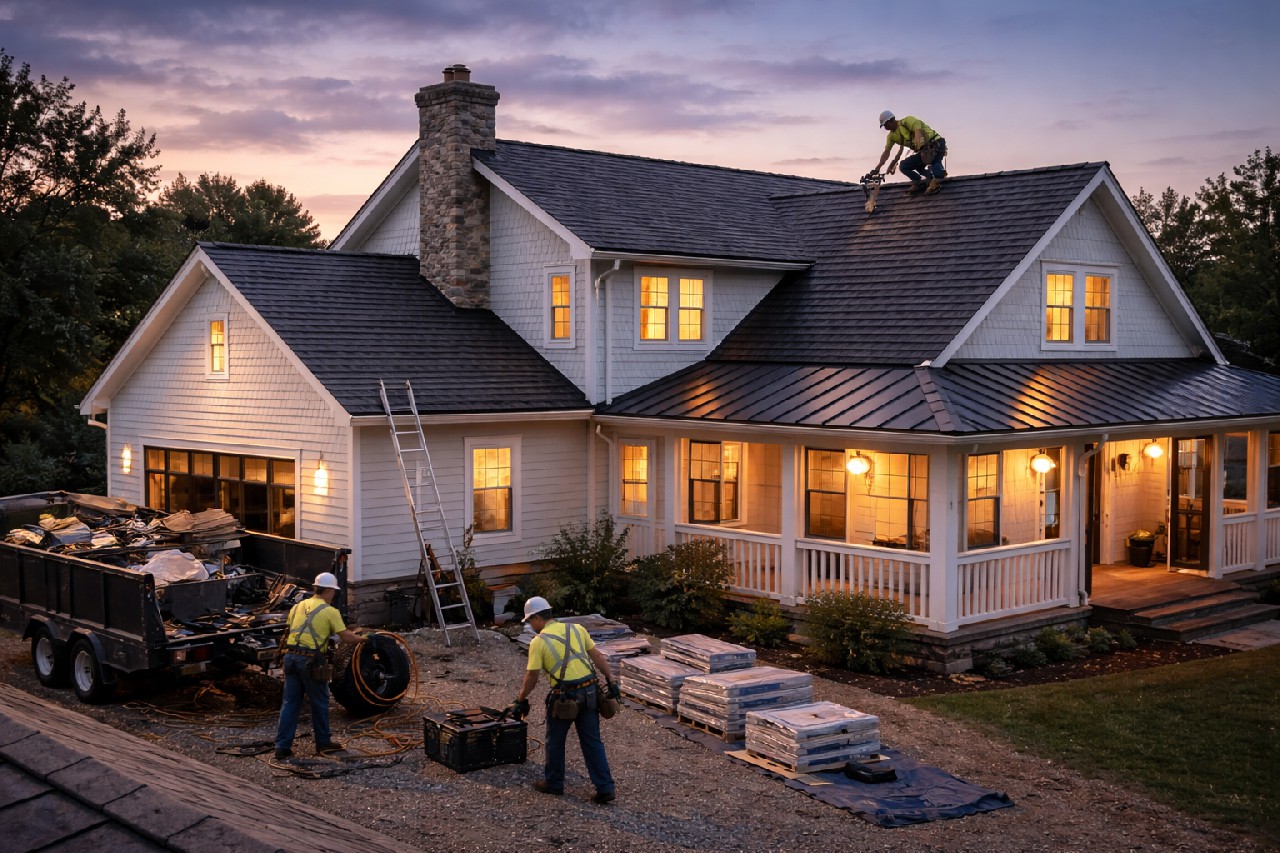
Essential Prep Work: Inspecting and Reinforcing Your Corpus Christi Home
Skip this step, and your fancy new tile roof could crack like an eggshell in the next blow. Corpus Christi's salty air and pounding storms chew up weak spots fast. Start with a full teardown inspection to spot trouble before tiles hit the roof.
Key Inspection Checks
- Roof deck integrity: Probe for rot or soft spots in plywood or OSB. Gulf humidity loves turning wood to mush.
- Truss and rafter strength: Look for cracks, sagging, or termite damage. These hold the weight of heavy tiles.
- Fascia boards and gutters: Rust, loose nails, or warps mean leaks incoming.
- Attic ventilation: Poor airflow traps heat, stressing everything in Texas summers.
Reinforcement turns a so-so base into storm armor. Beef up with hurricane-rated clips on every truss. Add thicker sheathing if yours is thin, and seal penetrations tight against driving rain.
Pro crews here use pressure-treated lumber for edges exposed to salt spray. Get this locked in, and your tile roof sits pretty for decades. Call in locals who know CC's quirks, or regret it when winds howl.
Step-by-Step Tile Roof Installation: Precision in the Texas Heat
Installing tile roofs here means battling 100-degree scorchers while ensuring every piece locks in tight against those Gulf winds. Pros start at dawn to beat the midday blaze. Sweat through it right, and your roof stands unbreakable for decades.
1. Strip and Prep the Deck
Tear off the old covering down to bare wood. Check for rot or weak spots, then reinforce with plywood if needed. Lay ice-and-water shield over the entire deck, overlapping seams by six inches—no shortcuts here.
2. Set the Battens
- Snap chalk lines every 12-16 inches, matching your tile gauge.
- Nail pressure-treated wood battens securely, double-nailing into rafters.
- These create the framework; warp one, and tiles shift in storms.
Texas humidity swells wood fast, so use treated battens only. Double-check level with a string line before tiles go on.
3. Lay the First Course
Start at the eaves with full tiles, nailing through the nail holes. Work up in a staggered pattern, clipping hips and valleys precise. Every fifth row, add extra fasteners for wind uplift.
4. Ridge and Finish
Cap the ridge with matching tiles, sealing joints with mortar. Flash all penetrations tight. Inspect from a ladder: no gaps, no loose pieces, or Harvey 2.0 finds the weak link.
Pro crews wrap this in 3-5 days for a 2,000 sq ft home. Hire locals who know CC code—fines hit hard for sloppy work.
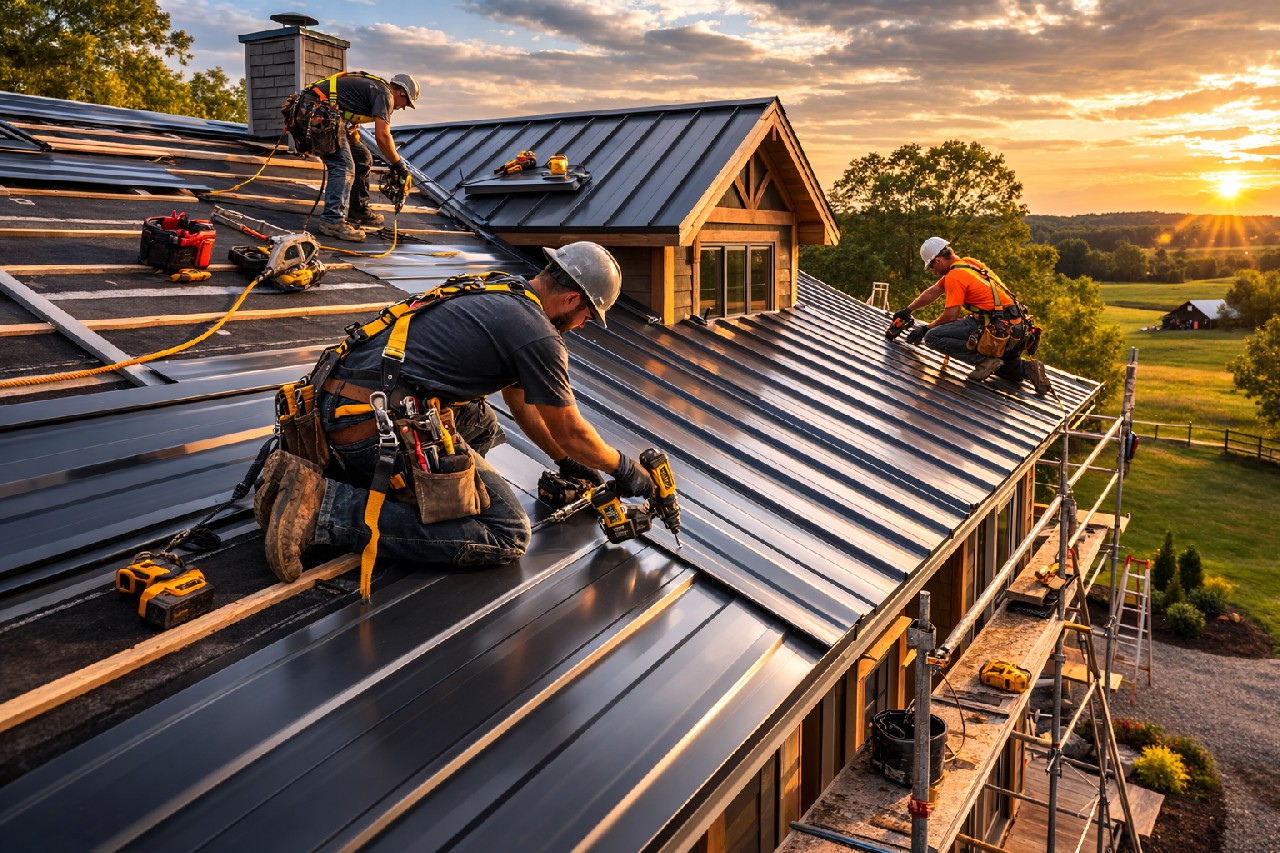
Cost Breakdown: What to Expect for a Durable Tile Roof in CC
Tile roofs hit your wallet harder than asphalt shingles, but they pay off big in storm country like Corpus Christi. Expect to shell out $18 to $35 per square foot for a full install, depending on tile type and roof complexity. That's for a setup that laughs at 150 mph winds.
Your biggest chunk? Materials. Clay tiles run $10-20 per square foot, concrete $8-15, and synthetics $12-25. Factor in underlayment, fasteners, and ridge caps, and you're looking at 40-50% of the total bill right there.
Full Cost Breakdown
- Labor: $8-15 per sq ft. Pros in CC charge premium for the heat and precision work.
- Old Roof Removal: $2-5 per sq ft if needed. Skip this only if your current deck is solid.
- Permits & Inspections: $500-1,500 flat. Coastal codes demand it.
- Extras like Gutters or Ventilation: Add $2,000-5,000. Don't cheap out here.
Total for a 2,000 sq ft roof? Land anywhere from $40,000 to $70,000. Get three local bids, but pick the crew with tile-specific experience over the cheapest quote. It saves headaches down the line.
Case Study: Tile Roof Saves Southside Home from Harvey's Wrath
Mike's place on Southside Corpus Christi took a pounding in 2017. He'd just installed a clay tile roof six months prior, after ditching his beat-up asphalt shingles. Neighbors watched in horror as their roofs peeled off like wet paper.
Harvey hit with 130 mph gusts and dumped over 30 inches of rain. Mike's tile roof? Not a single shingle flew. Water beaded up and ran off, keeping the attic bone-dry.
Key Wins from the Storm
- No leaks: Asphalt roofs nearby flooded interiors, costing thousands in mold cleanup.
- Wind resistance: Tiles interlocked tight, shrugging off debris impacts.
- Long-term payoff: Mike's insurance claim? Minimal. His energy bills dropped 20% post-storm too.
Fast forward to now. That same roof's still kicking, no repairs needed after back-to-back storms. Mike tells everyone: "Skip the cheap fixes. Tile's your bunker in this coastal hell."
Final Thoughts
Tile roofs aren't just coverings. They're your frontline defense against Corpus Christi's wild weather. Skip the cheap fixes that fail fast.
Go tile. It pays off in peace of mind and lower repair bills year after year. Local pros know the drill here on the coast.
Next Move? Act Now
- Get a free inspection today. Spots weak points before storms hit.
- Compare quotes, but demand storm-rated tiles and solid underlayment.
- Dive into our Tile Roof Installation page for full details and real CC projects.
One call locks in that unbreakable shield. Your home deserves it.
People Also Ask
How much does tile roof installation cost in Corpus Christi?
Tile roof installation in Corpus Christi typically ranges from $15,000 to $40,000, depending on roof size, tile type, and labor. Factors like storm reinforcements add $2,000–$5,000 but enhance longevity against coastal winds. Local experts recommend budgeting for high-quality clay or concrete tiles to maximize value in hurricane-prone areas.
Are tile roofs suitable for Corpus Christi's hurricanes?
Yes, tile roofs excel in Corpus Christi's stormy climate due to their durability, wind resistance up to 150 mph, and impact tolerance from flying debris. Properly installed with hurricane straps, they outperform asphalt shingles during events like Hurricane Harvey. Their interlocking design sheds water efficiently, preventing leaks in heavy rains.
What is the best tile material for coastal Texas roofs?
Clay tiles are ideal for Corpus Christi's coast for their natural storm resistance, fireproofing, and thermal efficiency in Texas heat. Concrete tiles offer a cost-effective alternative with similar strength and a wider color range to match South Texas aesthetics. Synthetic tiles provide lightweight durability for older homes needing less structural support.
How long does tile roof installation take in Corpus Christi?
A standard tile roof installation in Corpus Christi takes 5–10 days for a 2,000 sq ft home, weather permitting. Prep work like underlayment and reinforcements adds 1–2 days in humid conditions. Experienced local crews ensure precision to withstand Gulf winds, minimizing downtime.
Do tile roofs need special preparation for high-wind areas like Corpus Christi?
Yes, essential prep includes reinforcing rafters with hurricane clips and using high-wind underlayment rated for 110+ mph gusts. Inspecting for rot or weak spots prevents failures during storms. Corpus Christi code requires these measures for tile roofs to ensure long-term protection.

Corpus Christi Roofing delivers roofing services tailored to the Corpus Christi, TX community. With years of experience, the team handles installations, repairs, and maintenance for residential and commercial properties. Rooted locally, they address the unique demands of the coastal climate.
Need Roofing?
Fast roof repairs and replacements for lasting home protection in Corpus Christi, TX and nearby areas (78401, 78408, 78412, 78418).
Get Roof Quote