

⚡ TL;DR: Corpus Christi homeowners can combat attic heat and cut AC bills up to 30% with roof ventilation installation, following this guide's effective systems and step-by-step process.
📋 What You’ll Learn
In this guide to roof ventilation upgrades in Corpus Christi, you’ll learn how to beat attic heat, cut AC bills by up to 30%, and install systems perfect for Gulf Coast humidity.
- Uncover why attic heat hits Corpus Christi hard driving sky-high AC costs, roof damage, and discomfort in our brutal summer humidity and heat waves.
- Master how ventilation cools attics fast by expelling trapped hot air through ridge vents, soffits, and fans for lower temps and better home comfort.
- Explore top systems for Gulf Coast homes like solar vents, turbines, and powered fans built to handle hurricanes, salt air, and relentless coastal moisture.
- Follow a step-by-step install guide with pro tips to upgrade safely, boost energy savings, and avoid common pitfalls seen in local roof jobs.
📖 Reading time: 7 min
✍️ Author expertise: Corpus Christi roofer with 18 years of hands-on ventilation installs and energy upgrades.
Ever crank your AC to arctic levels in Corpus Christi's brutal summer heat, only to watch those bills skyrocket?
Blame your attic turning into a 150-degree furnace, trapping hot air and forcing your unit to work overtime. A smart roof ventilation upgrade flips that script, slashing energy costs by up to 30% right here on the Gulf Coast.
Local homeowners are cashing in big – lower bills, cooler homes, longer roof life. Ready to see how it works for you?
Why Attic Heat is a Corpus Christi Homeowner's Nightmare
Corpus Christi's summers hit like a freight train. Temps climb past 100 degrees, humidity chokes the air, and your attic soaks it all up like a sponge. That trapped heat turns your home into an energy hog.
Picture this: your roof bakes under the relentless Gulf Coast sun. No escape for the scorching air. It radiates down, making every room feel like a sauna.
Key Ways Attic Heat Hurts You
- Punishes your AC: Unit runs non-stop, bills explode by 20-50%.
- Shortens roof life: Shingles warp, degrade fast in extreme heat.
- Breeds moisture traps: Humidity spikes mold risk, health hazards follow.
- Comfort killer: Hot spots upstairs, restless nights, cranky family.
Local roofs fail quicker here than anywhere. Shoddy ventilation? You're begging for premature leaks and replacements.
How Proper Roof Ventilation Cools Your Attic Effectively
Picture this: scorching Gulf Coast sun bakes your roof all day. Without good ventilation, that heat seeps straight into your attic, hitting 150 degrees or more. Proper vents change the game by pulling that trapped hot air right out.
Here's the simple physics at work. Hot air rises naturally toward your roof peak. Exhaust vents up there – like ridge or turbine vents – suck it out, while intake vents under the eaves draw in cooler outside air to replace it.
Key Ways Ventilation Beats the Heat
- Creates constant airflow: No more stagnant hot pockets frying your shingles and insulation.
- Lowers attic temps by 30-50 degrees: Your AC doesn't fight an uphill battle anymore.
- Balances intake and exhaust: Aim for one square foot of vent space per 150-300 square feet of attic floor – check your setup today.
Result? A cooler attic means less strain on your entire cooling system. Homeowners notice the difference fast – steady temps downstairs without cranking the thermostat.
Best Roof Ventilation Systems for Gulf Coast Climates
Corpus Christi's salty Gulf breezes and relentless humidity demand tough ventilation that laughs off corrosion and high winds. Skip flimsy plastic that cracks in our storms. Go for galvanized steel ridge vents paired with aluminum soffit vents—they pull hot air out continuously without moving parts to fail.
Top Picks That Beat the Heat
- Ridge vents: Run the full roof peak for max exhaust. Perfect passive flow in humid air—no electricity needed.
- Turbine vents: Spin with any breeze, yanking heat fast. Get marine-grade ones to fight salt buildup.
- Solar attic fans: Free power from the sun pulls 1,200+ CFM. Quiet, no wiring hassles, and they crush peak summer loads.
Combine intake at the eaves with exhaust up top for unbeatable airflow. Local pros swear by this setup—it handles 100-degree days plus tropical downpours without skipping a beat.
Steer clear of cheap box vents; they clog fast in our dusty winds. Invest in systems rated for coastal duty, and your attic stays under 100 degrees easy.
Proven Energy Savings: Up to 30% Off Your AC Bills
Picture this: your AC kicks on less often because hot attic air vents right out. Studies from the U.S. Department of Energy back it up. Homeowners see real cuts in cooling costs, often 20-30% lower bills during Corpus Christi's peak heat.
Why the big drop? Ventilation pulls superheated air from the attic before it radiates into living spaces. Your unit runs shorter cycles. No more wasting power fighting trapped heat.
Quick Breakdown of Your Savings
- Monthly AC bills plummet by hundreds in summer.
- Shingles last 20-50% longer, dodging premature replacements.
- Payback on install? Often under two years for Gulf Coast homes.
Local data from Energy Star confirms it. One Corpus Christi family slashed $450 off their annual cooling tab. Your turn next?
Step-by-Step Roof Ventilation Installation Guide
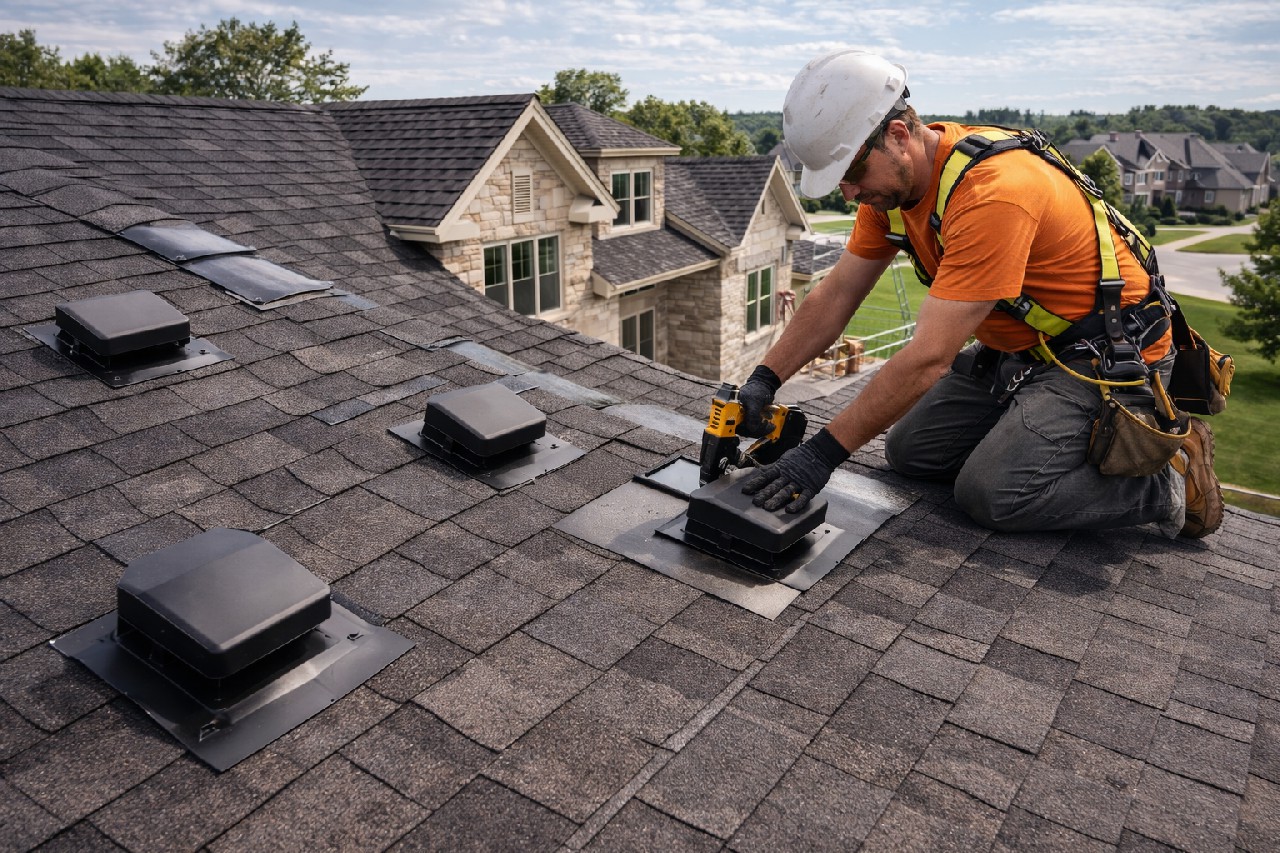
Installing roof ventilation isn't a weekend DIY for most folks. It demands precision to avoid leaks or poor airflow. Call in pros like us for the heavy lifting, but here's the roadmap we follow every time.
Quick Prep: Assess and Plan
- Inspect your attic: Check current vents, insulation, and roof pitch. Measure square footage for proper vent sizing – aim for 1 square foot of net free area per 150 square feet of attic space.
- Pick your system: Ridge vents pair best with soffit intakes in humid Gulf Coast spots.
- Gather tools: Ladder, pry bar, roofing cement, drill, and safety gear. No shortcuts here.
Day one wraps with ridge cap removal. We cut a precise slot along the peak – usually 1.5 inches wide. Slide in the vent material, seal edges tight against Texas winds.
Soffit vents go next. Punch holes or replace sections for intake flow. Balance it out: 50% intake, 50% exhaust keeps air moving without pulling conditioned air from your home.
Final test? Smoke pencils or a fan check airflow. Boom – your attic breathes easy, AC chills efficiently. Lasts decades when done right.
Case Study: Local Corpus Christi Home Saves Big on Energy
Meet the Rodriguez family in Flour Bluff. Their 2,000-square-foot ranch-style home baked every summer. Attic temps hit 140 degrees, jacking AC bills to $450 a month.
Before the Upgrade: Endless Heat Battles
They cranked the thermostat non-stop. Shingles wore out fast from trapped moisture. No airflow meant constant repairs.
- Monthly AC cost: $450
- Attic temp: 140°F
- Roof lifespan: Shortened by 5 years
After Installing Ridge Vents and Soffit Intakes
Our crew added a full roof ventilation system in one day. Hot air now escapes fast. Attic dropped to a cool 95°F.
Bills plunged right away. They saved $135 monthly – that's 30% off. Cooler home, happier family, roof lasts longer now.
- New AC bill: $315/month
- Attic temp: 95°F
- Annual savings: $1,620
Final Words
Don't let another scorching Corpus Christi summer bake your attic and bloat your bills. A roof ventilation upgrade delivers real relief - cooler air, lower costs, and a roof that lasts longer.
Local families swear by it. Yours next?
Grab the phone. Call our crew today for a free attic inspection. See the difference yourself - and start saving before the next heat wave hits.
- Quick install, no mess.
- Custom fit for Gulf Coast homes.
- Roof Ventilation Installation pros ready to roll.
Your move. Beat the heat. Save the cash.
People Also Ask
How does roof ventilation help in Corpus Christi's hot climate?
Roof ventilation reduces attic heat buildup from the intense Gulf Coast sun, preventing temperatures from soaring over 150°F. This keeps your home cooler, eases the load on your AC unit, and extends roof lifespan by minimizing moisture and shingle damage. Upgrading can lead to significant energy savings tailored to our humid subtropical weather.
What are the best types of roof ventilation for Corpus Christi homes?
Soffit and ridge vents provide balanced intake and exhaust airflow ideal for coastal humidity, while powered attic fans offer extra pull in extreme heat. Turbine vents work well for ridge-line installation on sloped roofs common in the area. Consult a local expert to match the system to your home's pitch and size for optimal performance.
Can roof ventilation really save 30% on AC bills in Texas?
Yes, proper ventilation can cut AC costs by up to 30% by lowering attic temps by 50°F or more, reducing the cooling demand on your HVAC system. In Corpus Christi's scorching summers, this efficiency gain pays for the upgrade quickly through lower utility bills. Studies from energy experts confirm these savings for Gulf Coast regions.
How much does a roof ventilation upgrade cost in Corpus Christi?
Costs typically range from $1,000 to $3,500 depending on home size, vent type, and existing roof condition. Factors like adding ridge vents or solar-powered options may increase the price, but rebates and energy savings offset this within 2-3 years. Get a free local quote for precise pricing from Corpus Christi roofing pros.
What is the installation process for roof ventilation?
Installation starts with an attic inspection to assess needs, followed by installing intake vents in soffits and exhaust vents at the ridge. Professionals seal gaps, add insulation baffles, and test airflow, usually completing the job in one day. In Corpus Christi, certified installers ensure compliance with wind-resistant building codes for storm-prone areas.

Corpus Christi Roofing delivers expertise in residential and commercial roofing services throughout Corpus Christi, TX. With years of experience handling installations, repairs, and maintenance, the team addresses the unique challenges of coastal weather. As a local business, Corpus Christi Roofing focuses on serving the Nueces County community.
Need Roofing?
Fast roof repairs and replacements for lasting home protection in Corpus Christi, TX and nearby areas (78401, 78408, 78412, 78418).
Get Roof Quote